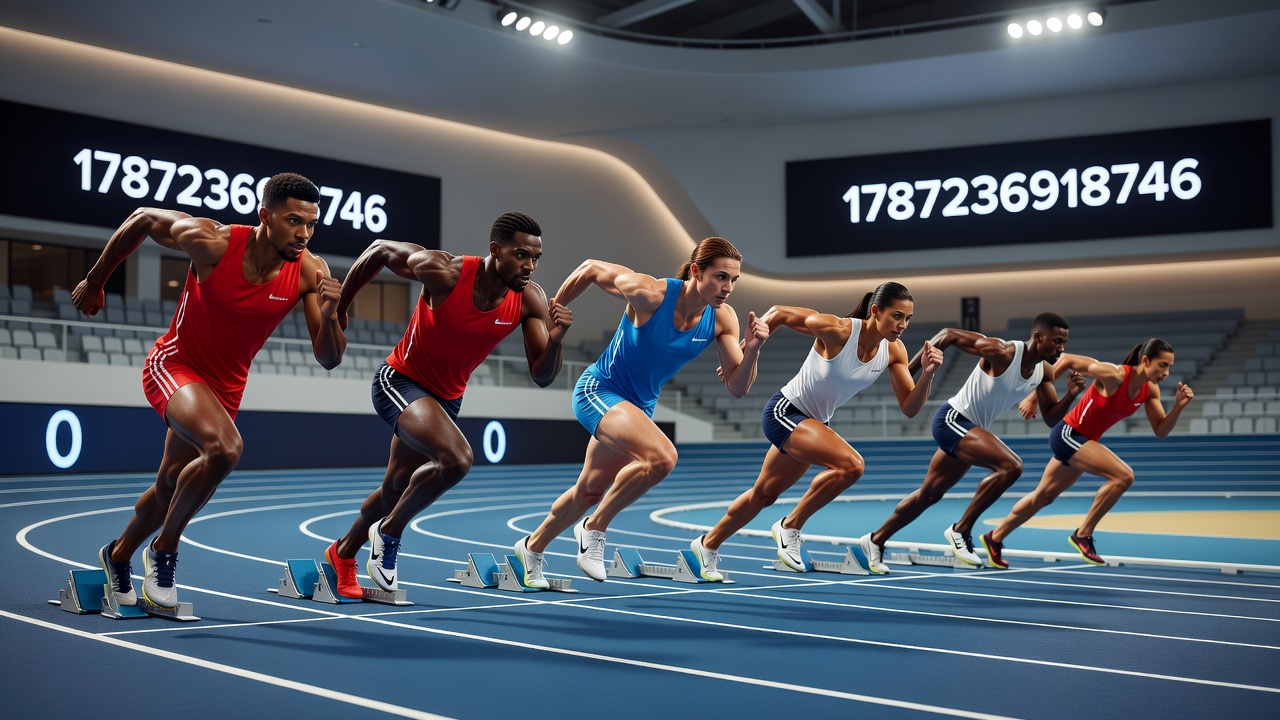
The Expanding Influence of Sports Science on Athlete Development
Organized sports programs have incorporated data-driven methods to track performance indicators such as heart rate variability, muscle activation patterns, and recovery timelines, and these tools allow coaches to adjust training loads based on real-time readings collected during practice sessions. Research from institutions including the Australian Institute of Sport shows measurable improvements in endurance metrics among elite competitors who follow individualized plans derived from wearable sensors.
Training Protocols Across Different Disciplines
Football academies in Europe and North America now integrate GPS tracking during drills to monitor distance covered and sprint frequency, while basketball programs emphasize plyometric routines that target vertical leap height and lateral quickness, and studies published by the National Collegiate Athletic Association indicate that teams using periodized schedules experience fewer soft-tissue injuries over a full season. Tennis federations apply similar analytics to serve mechanics and rally duration, producing datasets that reveal optimal rest intervals between matches during summer tournaments.
Swimming coaches rely on underwater cameras and force-plate analysis to refine stroke efficiency, and data collected at major training centers demonstrate consistent gains in lap times when athletes incorporate video feedback into daily sessions. August 2026 marks a key window for many winter-sport athletes who shift focus to dry-land conditioning ahead of the upcoming competitive calendar, and facilities worldwide report increased enrollment in cross-training modules that blend strength work with mobility exercises.
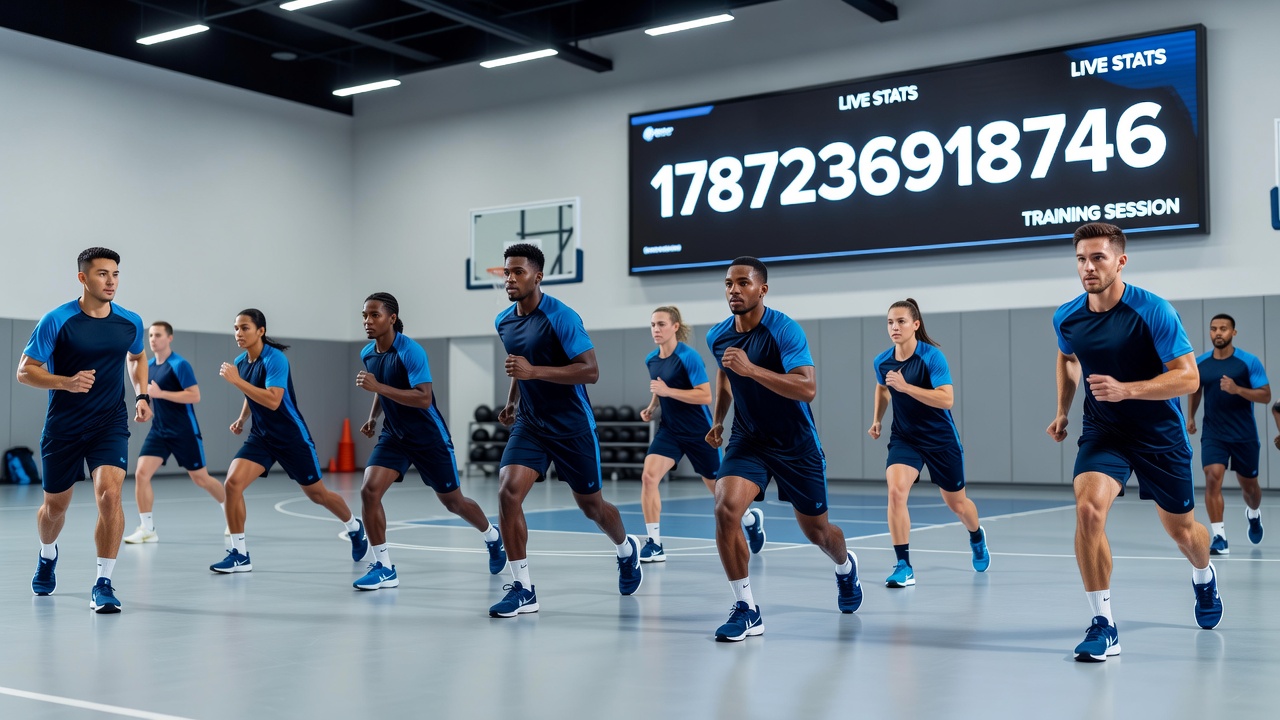
Global Participation Trends and Infrastructure Growth
Youth sports organizations across Asia and South America have expanded access to structured leagues, with government reports from the Ministry of Sport in Brazil noting rising registration numbers in football and volleyball programs for children aged eight to fourteen. European Union statistics highlight parallel growth in recreational running events and cycling clubs, supported by public investment in safe pathways and community facilities.
Equipment manufacturers have responded by developing lighter protective gear and adaptive footwear that accommodate varied playing surfaces, and clinical trials conducted at universities in Canada link these innovations to reduced incidence of concussions and ankle sprains among adolescent participants. International federations continue to standardize competition rules while introducing environmental guidelines that address heat management and hydration protocols during outdoor events held in warmer months.
Recovery Strategies and Long-Term Athlete Health
Nutritionists working with professional squads emphasize macronutrient timing and sleep hygiene as core components of recovery, and longitudinal data from the International Olympic Committee underscore correlations between consistent sleep duration and sustained performance across multi-day competitions. Medical teams now employ blood biomarker panels to detect early signs of overtraining, allowing adjustments before fatigue accumulates into injury.
Rehabilitation centers have adopted virtual-reality simulations that replicate game scenarios for athletes returning from surgery, and follow-up assessments show accelerated return-to-play timelines when these tools supplement traditional physiotherapy. Observers note that federations in multiple regions are adopting shared databases to track injury patterns, which facilitates comparative analysis across different sports and age groups.
Conclusion
Advances in monitoring technology, structured training, and recovery protocols continue to reshape how athletes prepare and compete at every level, while infrastructure investments support broader participation worldwide. Figures from national sports agencies and academic studies provide ongoing evidence that these integrated approaches contribute to both performance gains and reduced health risks across diverse disciplines.