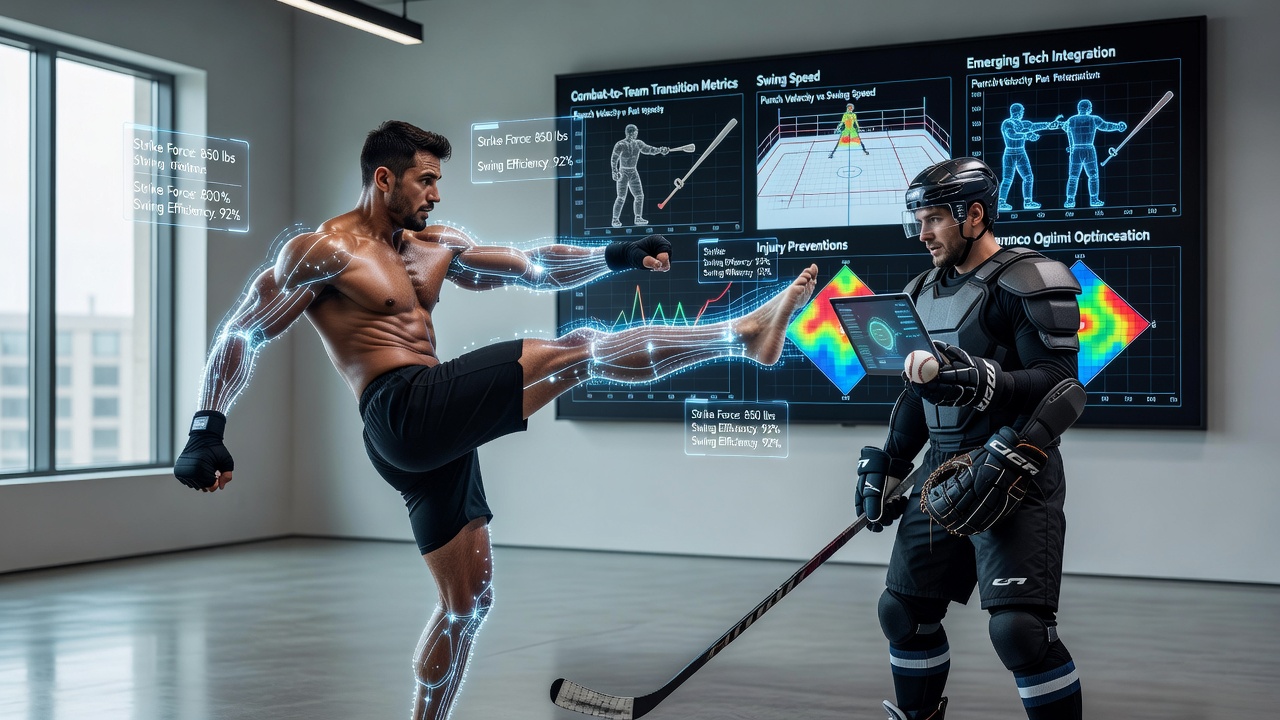
How Emerging Scouting Technologies Reshape Preparation Strategies for Athletes Transitioning Between Combat Sports and Team-Based Competitions Like Hockey and Baseball
Observers note that athletes moving between combat disciplines and team games such as hockey or baseball now rely on integrated scouting platforms that combine motion tracking with predictive analytics. These systems capture thousands of data points per session and feed them into algorithms that map transferable skills like explosive footwork or peripheral awareness. Research from the Australian Institute of Sport shows that transition programs incorporating such tools have reduced adaptation periods by several weeks compared with traditional methods alone.Core Technologies Driving the Shift
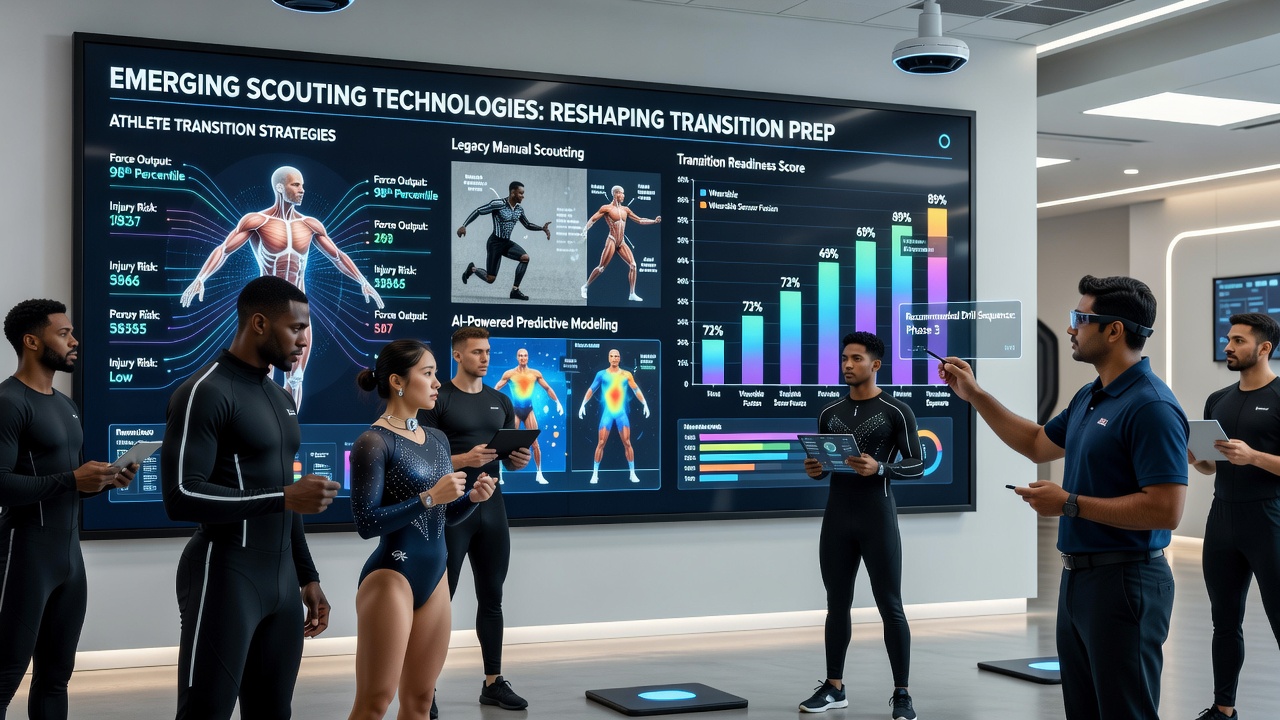
Video-based athlete tracking systems use multiple high-speed cameras positioned around training facilities to record every movement in three dimensions. Software then breaks down joint angles, acceleration curves and reaction latencies, allowing coaches to compare an MMA fighter's striking entry against a hockey defenseman's gap control. Wearable inertial sensors strapped to limbs and torsos add force and torque measurements that reveal how power generation patterns from combat training translate to bat speed or slap-shot velocity. Data aggregation platforms merge these streams with historical performance records from both sport types, creating individualized transition blueprints that update in real time.
Artificial intelligence models trained on large datasets identify subtle correlations that human scouts might overlook. One algorithm might flag that an athlete's head movement patterns during boxing sparring sessions align closely with the visual tracking demands of tracking a baseball pitch. Another model could quantify how takedown defense footwork improves lateral agility metrics measured during hockey edge work drills. These insights let preparation staff prioritize drills that close specific gaps rather than applying generic cross-training templates.
Application to Specific Transitions
Athletes leaving combat sports for hockey often focus on adapting rapid directional changes and upper-body stability into puck battles along the boards. Scouting technology records baseline reaction times from pad work and then overlays them onto simulated forecheck scenarios captured on the ice. Coaches receive heat maps showing where the athlete's center of mass drifts during contact, enabling targeted balance exercises that incorporate hockey-specific resistance. In August 2026 several NHL development camps introduced portable sensor arrays that feed directly into these comparison dashboards, allowing daily progress checks without interrupting practice flow.
Baseball presents different mapping challenges. Combat athletes must convert linear power into rotational torque required for hitting and throwing. Markerless motion capture systems placed around batting cages record every swing while cross-referencing data from previous striking sessions. The software highlights discrepancies in hip-shoulder separation timing, then suggests corrective cues drawn from both sports. Pitchers transitioning from grappling backgrounds benefit from similar analysis of arm slot consistency, where sensors detect fatigue patterns earlier than visual observation alone.
Integration With Traditional Coaching
Preparation staffs combine technology outputs with on-ice or on-field observation rather than replacing human judgment. Reports generated after each session include both quantitative metrics and qualitative notes from coaches who watched the same drills. This hybrid approach prevents over-reliance on numbers while still surfacing patterns across large groups of transitioning athletes. Teams in Major League Baseball and the NHL have formed dedicated transition units that meet weekly to review aggregated scouting data from multiple athletes, adjusting group drills accordingly.
Virtual reality environments add another layer by letting athletes experience game-like decision trees without physical risk. A former kickboxer preparing for baseball outfield duties might face simulated fly balls while wearing a headset that records eye-tracking data. The same system can replay hockey board battles to reinforce spatial awareness developed in the cage. Because the environments update based on real-time performance logs, each session targets the precise skill gaps identified by earlier analysis.
Data Sharing and Standardization Efforts
League-wide initiatives now encourage standardized data formats so that scouting information travels with an athlete across organizations. The International Olympic Committee has supported pilot programs that allow combat sport federations and team sport leagues to exchange anonymized movement profiles. These shared repositories help identify which physical traits predict successful transitions before an athlete even begins sport-specific training. Canadian university researchers have contributed longitudinal studies tracking dozens of athletes over multiple seasons, revealing that early adoption of integrated scouting correlates with higher retention rates in the new sport.
Conclusion
Emerging scouting technologies continue to supply detailed, sport-agnostic profiles that preparation teams use to accelerate adaptation for athletes moving between combat and team environments. Motion capture, sensor fusion and AI-driven pattern recognition form the backbone of these strategies, while integration with traditional coaching keeps the process grounded. As more organizations adopt common data standards, the ability to forecast and support successful transitions is expected to improve further in coming seasons.